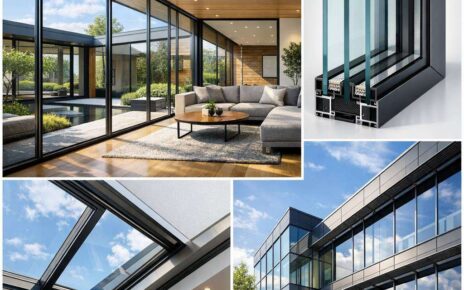

As we look towards the future of architectural design, one of the most exciting areas for innovation is undoubtedly architectural glazing. This essential element of modern architecture not only plays a crucial role in aesthetics but also influences sustainability, energy efficiency, and the overall performance of buildings. In a rapidly evolving industry, architectural glazing companies are embracing new technologies, materials, and design philosophies to meet the growing demands for efficiency, beauty, and environmental responsibility.
Architectural glazing products are becoming integral in creating spaces that are not just functional but also harmonious with their surroundings. With a focus on transparency, light, and thermal performance, the next generation of glazing solutions promises to enhance the architectural landscape while addressing pressing environmental concerns. In this post, we will explore some of the key trends and innovations shaping the future of architectural glazing.
FAQ Section: Architectural Glazing Products
What are architectural glazing products?
Architectural glazing products refer to a range of materials used in building facades, windows, skylights, and other structural elements that require transparency or light transmission. These products are designed not only for aesthetic appeal but also for energy efficiency, durability, and safety.
What types of architectural glazing products are available?
There are several types of architectural glazing products available, including:
- Insulated Glass Units (IGUs): Comprising two or more glass panes with a space between them to improve thermal performance.
- Laminated Glass: Made by sandwiching a layer of plastic between two sheets of glass for enhanced safety and sound insulation.
- Tempered Glass: Heat-treated glass that is stronger than standard glass and shatters into small pieces when broken.
- Low-E Glass: Coated with a thin layer to reflect heat while allowing natural light to pass through.
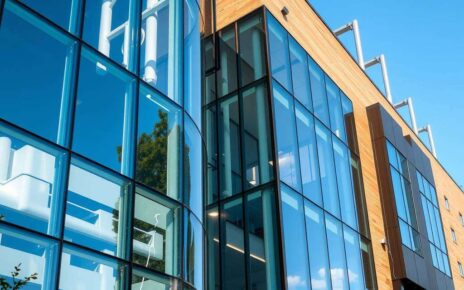
- Glass Curtain Walls: A non-structural cladding system made from patterned or plain glasses providing an exterior shell.
How do architectural glazing products enhance energy efficiency?
Architectural glazing products can significantly enhance energy efficiency by using technologies such as low-emissivity (Low-E) coatings that minimise heat transfer while maximising daylight entry. Insulated glass units help reduce heating and cooling costs by preventing temperature exchange between indoor and outdoor environments.
Are there any specific certifications for architectural glazing products?
Yes, many architectural glazing products come with various industry certifications. Look for certifications like Energy Star® ratings, NFRC (National Fenestration Rating Council), or LEED (Leadership in Energy and Environmental Design) compliance which indicate superior performance in energy efficiency.
Can architectural glazing provide sound insulation?
Absolutely! Certain types of laminated and insulated glass are designed specifically for sound attenuation. These specialised materials can effectively reduce noise pollution from outside while maintaining clarity inside buildings.
What factors should be considered when selecting architectural glazing products?
When selecting architectural glazing solutions, consider the following factors:
- Performance Requirements – Such as thermal insulation values or acoustic properties needed based on the project location.
- Aesthetic Appeal – The design should complement the overall architecture of the building.
- Durability & Safety Standards – Ensure compliance with local building codes.
- Maintenance Needs – Some glazings may require special cleaning techniques or protective coatings.
How do I maintain my architectural glazing systems?
Maintenance requirements will depend on the specific type of product; however, general practices include:
- Regular cleaning using appropriate methods advised by manufacturers to prevent dirt buildup.
- Checking seals around edges periodically for any signs of wear or leaks.
- Inspecting frame components to ensure structural integrity over time.
For more comprehensive information about your specific product maintenance needs check user manuals provided during installation.
If you have further questions about our offerings in architectural glazing products feel free to contact us!
Smart Glazing Technologies
One of the most significant trends in architectural glazing is the advent of smart glazing technologies. These innovative products can dynamically respond to environmental changes, such as shifts in temperature and sunlight. Building-integrated smart windows can darken or become transparent at the push of a button, helping to regulate indoor temperatures and reduce the need for artificial heating and cooling.
These technological advancements not only enhance the comfort of occupants but also contribute significantly to energy savings. By adopting smart glazing products, architectural glazing companies can help architects and builders create spaces that are energy-efficient and adaptable to various lighting conditions throughout the day.
Achieving stunning aesthetics and functionality in modern buildings relies on quality materials. Among these, architectural glazing products play a crucial role, enhancing natural light while providing energy efficiency and superior insulation for contemporary architecture.
Sustainable Materials and Practices
Sustainability is a pivotal focus in the future of architectural glazing. The industry is seeing a rise in eco-friendly materials and practices to mitigate the environmental impact of construction. High-performance glass, for example, is being produced with lower embodied carbon and increased recyclability.
Furthermore, manufacturers are increasingly adopting sustainable manufacturing processes, utilising recycled content and sourcing raw materials responsibly. Architectural glazing products using bio-based materials are also gaining traction, offering both aesthetic and functional benefits while minimising the carbon footprint. This shift towards sustainability not only helps meet regulatory requirements but also appeals to a growing audience of environmentally-conscious consumers who prioritise green building practices.
When considering architectural glazing products for your building projects, it’s essential to choose options that blend durability with aesthetic appeal. High-quality glazing not only enhances the visual impact of structures but also improves energy efficiency. For innovative solutions in architectural glazing, visit https://www.urbansquare.net/. Their extensive range of products meets the demands of modern architecture, offering both functionality and style, ensuring your designs stand out while functioning optimally in various environments.
Enhanced Thermal Performance
As energy-efficiency regulations tighten, architectural glazing companies are continuously innovating to improve the thermal performance of their products. Low-emissivity (Low-E) coatings on glass are becoming standard, effectively reflecting heat back into buildings while allowing natural light to permeate.
Triple glazing is also gaining popularity as it provides superior insulation compared to traditional double glazing. By incorporating advanced spacer bars and gas fills, these products bring remarkable benefits in energy conservation and noise reduction. The result is a more comfortable indoor environment that is less reliant on heating and cooling systems.
Daylighting and Biophilic Design
The incorporation of natural light is increasingly regarded as a key element in architectural design, leading to the rise of daylighting strategies in architectural glazing. By utilising large expanses of glass and carefully planned window placements, architects are inviting light into spaces, enhancing well-being and productivity.
Furthermore, biophilic design — the idea that people have an innate connection to nature — is influencing the development of glazing products. Architectural glazing that maximises views of the outdoors, promotes natural ventilation, and harmoniously integrates with the surrounding environment is gaining popularity. This trend reflects a broader desire for healthier living spaces that promote well-being, happiness, and productivity.
Innovative Aesthetics
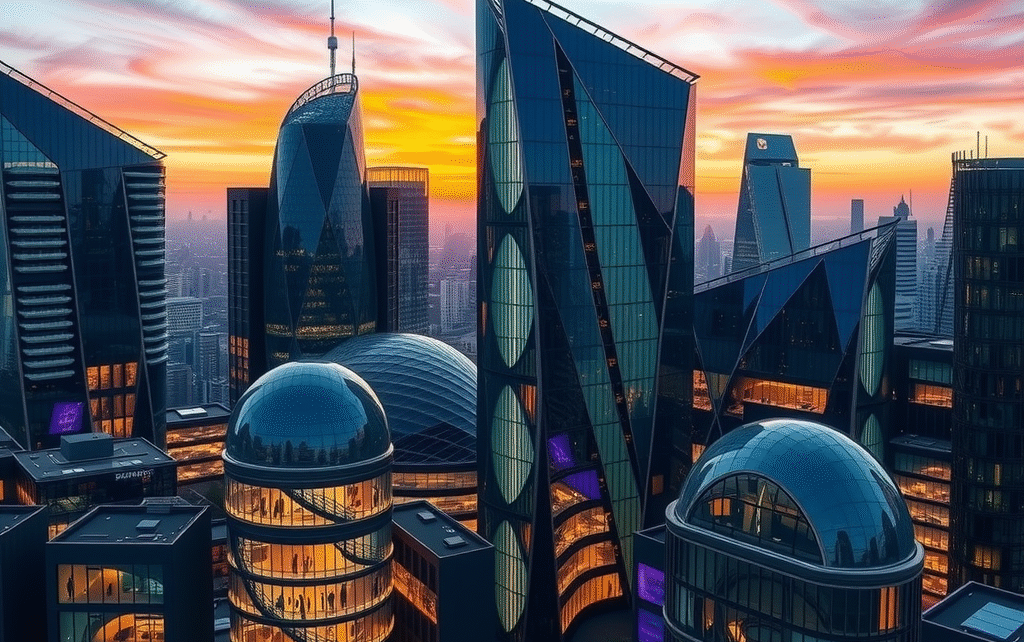
Beyond functionality and sustainability, aesthetics remain a vital consideration in architectural glazing. Advancements in manufacturing technologies are allowing for an extraordinary range of design possibilities. Curved glass, for example, has become increasingly feasible, enabling architects to create innovative structures that inspire and surprise.
Furthermore, decorative glazing options, such as coloured or patterned glass, are being embraced to add visual interest to façades and interiors. Innovative printing techniques allow for custom designs, paving the way for unique architectural statements. This infusion of creativity into architectural glazing products ensures that they serve not just as a functional component but also as an integral piece of the artistic expression of a building.
Prefabrication and Modular Systems
The future of architectural glazing also lies in the efficiency of prefabricated and modular systems. As project timelines compress and the demand for swift construction rises, architectural glazing companies are increasingly turning to off-site manufacturing to expedite the installation process.
Modular systems that incorporate glazing, such as prefab façade units, not only save time but also improve consistency in quality. This approach allows architects to push the boundaries of design while maintaining high standards in performance and sustainability.
By embracing these innovative approaches, architectural glazing is set to play an indispensable role in the future of built environments. It’s an exciting time for architectural glazing products, as they evolve to meet the needs of a changing world, combining form and function in ways that were previously unimaginable. As architectural glazing companies continue to innovate, we can look forward to a future rich in sustainable, technologically advanced, and aesthetically striking designs.