

Architects, building owners, and facility managers increasingly recognise the pivotal role of architectural glazing in shaping both performance and appearance. The right glazing solution transcends mere visibility; it intersects with energy, comfort, safety, and acoustics while contributing to a building’s identity. As an architectural glazing company with extensive experience across sectors, we’ve seen how thoughtful selection and precise installation can transform spaces, delivering tangible benefits for occupants and operators alike.
In today’s climate of heightened energy awareness and fast-echanging design trends, glazing is more than a façade element. It is a strategic decision that influences heat gain and loss, daylight optimisation, glare management, and even acoustic performance. When we speak of architectural glazing, we are referring not only to windows and façades but to a family of products including double and triple-glazed units, laminated and tempered safety glass, low-emissivity coatings, solar control glass, and innovative electrochromic and switchable glazing solutions. Each option brings its own set of performance characteristics, aesthetics, and installation considerations.
Performance and energy efficiency
The ongoing drive to reduce energy consumption places glazing at the centre of building performance. High-performance architectural glazing products minimise unwanted heat transfer, helping to maintain comfortable interior environments with reduced reliance on heating and cooling systems. Select glass with low-emissivity coatings to reduce heat transfer while preserving daylighting, or opt for insulated glazing units (IGUs) that combine multiple panes with inert gas fills and sealed edges for superior thermal resistance. For commercial and mixed-use developments, appropriately specified glazing can dramatically lower operational costs and CO2 emissions over a structure’s lifespan.
Daylight is a powerful design tool, but it must be balanced with glare and heat management. Dynamic glazing solutions, such as electrochromic or gas-filled switchable glass, respond to changing daylight conditions by adjusting tint levels automatically or remotely. This not only enhances occupant comfort but also optimises energy performance by reducing solar heat gain during peak periods. The result is a building envelope that adapts to environmental conditions while maintaining clear, uniform illumination inside.
Glazing products also influence solar control in ways that extend beyond tinting. The selection of glass with heat-strength properties, coupled with frame design and seal integrity, determines the rate of thermal bridging. Modern architectural glazing systems incorporate insulated frames, warm-edge spacers, and high-performance seals to minimise thermal bridges, contributing to energy efficiency and long-term durability. From a life-cycle perspective, investing in robust glazing assemblies can yield paybacks through reduced energy bills, fewer service calls, and improved thermal comfort for occupants.
Comfort, daylighting and occupant experience
A key strength of architectural glazing is its ability to harness daylight while protecting occupants from excessive glare and solar heat. Daylight has a direct impact on well-being, productivity, and perceived space quality. By selecting the right glazing, designers can create interiors that feel bright and inviting, with consistent daylight distribution that reduces the need for artificial lighting during daytime hours.
Glare control is an often underappreciated facet of comfort. Advanced glazing systems integrate coatings and frit patterns that minimise direct sun glare while preserving outward visibility. Where privacy is required without compromising light transmission, etched or patterned glass, or selective tints, can provide a discreet yet luminous interior ambience.
Acoustic performance is another critical consideration, particularly in urban environments or near transport corridors. Architectural glazing products with acoustic laminated interlayers or specific glazing configurations can significantly reduce external noise intrusion, creating calmer, more productive interiors. The result is a space that feels both open and serene, thanks to thoughtfully specified glazing that harmonises light, heat, and sound.
Aesthetics and architectural expression
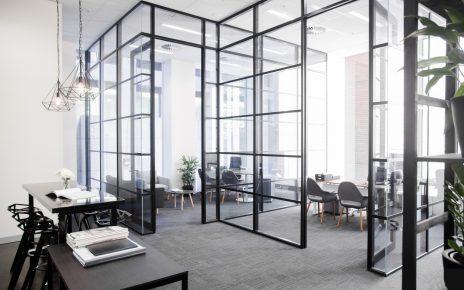
Beyond performance, glazing is a powerful design element. The visual language of a building—its proportional rhythms, transparency, and interplay of light—often hinges on glazing strategy. From frameless or minimal-frame configurations that maximise sightlines to bold, coloured or reflective coatings that make a statement, architectural glazing products offer a broad palette for architectural expression.
The choice of glass type, coating, and frame material interacts with facade systems to sculpt the building’s silhouette and interior mood. For example, reflective or low-emissivity coatings can alter the perceived colour of the façade across the day, while neutral or grey tints can emphasise contemporary, understated elegance. In projects where heritage or context matters, high-performance glazing can be customised to respect traditional brick or stone textures while delivering modern comfort and efficiency.
The integration of solar control and daylighting with curtain wall systems, pressed-metal frames, or timber-clad elements allows designers to achieve cohesive aesthetics that align with sustainability goals and brand identity. An architectural glazing company that understands these dynamics can guide clients through a spectrum of options—from standard performance glazing to bespoke solutions with non-standard shapes, spacings, and coatings.
Architectural glazing products are transforming façades with sleek aesthetics, improved energy performance, and enhanced natural light. Designers leverage high-performance glass, coatings, and framing systems to create durable, low-maintenance spaces that feel expansive and inviting. From curtain walls to skylights, these solutions support sustainable buildings while delivering superior acoustics and daylighting advantages. For more insights, explore the following resource: architectural glazing products. By integrating advanced glazing, projects achieve modern transparency and architectural cohesion.
Installation, durability and maintenance
A high-quality glazing product is only as effective as its installation and ongoing maintenance. Proper glazing design considers drainage, drainage paths, and weather sealing to prevent water ingress and ensure long-term performance. Skilled installers pay attention to tolerances, micro-movements, and thermal expansion to avoid stress on glass and frames. In the long run, a well-executed glazing installation reduces maintenance burdens and extends service life.
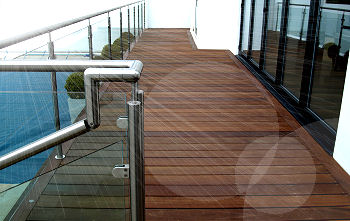
Choosing products with durable coatings and robust edge seals helps withstand environmental exposure and reduces the risk of fogging or delamination. If a project involves high-rise façades or complex geometries, partnering with an architectural glazing company that has experience with unitised systems, curtain walls, and railings can simplify coordination with other trades and expedite delivery without compromising quality.
Explore architectural glazing products that blend aesthetics with performance, delivering natural light, energy efficiency, and structural integrity. From sleek facades to contemporary interiors, these solutions shape visions into durable spaces. For more inspiration and options, visit https://www.urbansquare.net/, and discover innovative glazing essentials today.
The intelligent path to selecting architectural glazing products
When selecting architectural glazing products, the starting point is a clear performance brief that aligns with project energy targets, acoustic requirements, daylighting goals, and budget. Engage early with a glazing specialist to assess the interplay between glass, coatings, frames, and installation methods. A collaborative approach—integrating energy modelling, daylight simulations, and wind-load considerations—ensures a resilient façade that performs as designed.
Documentation matters too: ensure the specification includes visible performance metrics, warranty coverage, and maintenance guidance. For architects and clients alike, partnering with a knowledgeable architectural glazing company can streamline procurement, simplify testing and certification processes, and provide post-occupancy support to sustain performance over time.
In sum, architectural glazing products do more than frame views. They shape how a building performs, feels, and presents itself to the world. By prioritising energy efficiency, occupant comfort, and aesthetic coherence, modern glazing solutions offer a powerful route to better-built environments. Whether specified on a new development or retrofitted to upgrade an existing building, the right glazing strategy makes a tangible difference—delivering beauty without compromise and performance that endures.