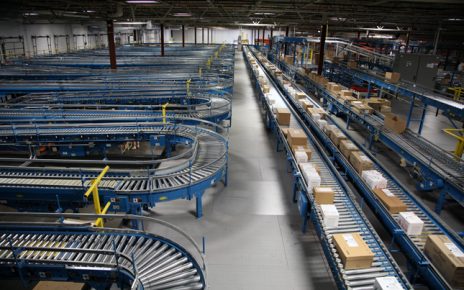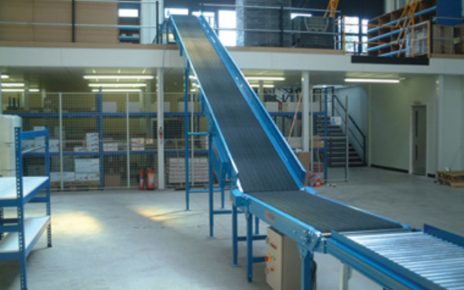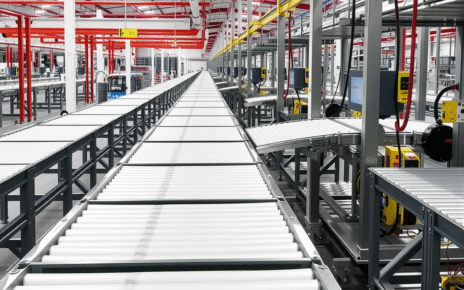

Conveyors play a vital role in streamlining manufacturing and warehouse operations by efficiently transporting goods across different stages. They help increase productivity, reduce manual labor, and improve workflow safety. Whether you need belt, roller, or spiral conveyors, choosing the right system is essential for your business. For high-quality conveyor solutions, visit https://conveyorrollers.co.uk to explore a wide range of products and expert services tailored to your needs.
In an era characterised by rapid technological advancement and increasing industrial automation, conveyor systems continue to evolve to meet the demands of modern manufacturing, logistics, and distribution sectors. As industries seek more efficient, sustainable, and flexible solutions, advancements in conveyor technology are setting the stage for a transformative decade ahead. By 2026, we anticipate a range of innovative developments shaping the landscape of conveyor systems, enabling organisations to optimise operations and enhance productivity.
Understanding these emerging trends is essential for industry stakeholders aiming to stay at the forefront of operational excellence. Whether integrating smart conveyor solutions or adopting sustainable practices, the evolution of conveyor technology reflects broader trends towards digitalisation and efficiency. This article explores the key developments set to define conveyor technology for 2026, offering insights into how organisations can leverage these innovations for competitive advantage.
Embracing Industry 4.0 with Smart Conveyor Solutions
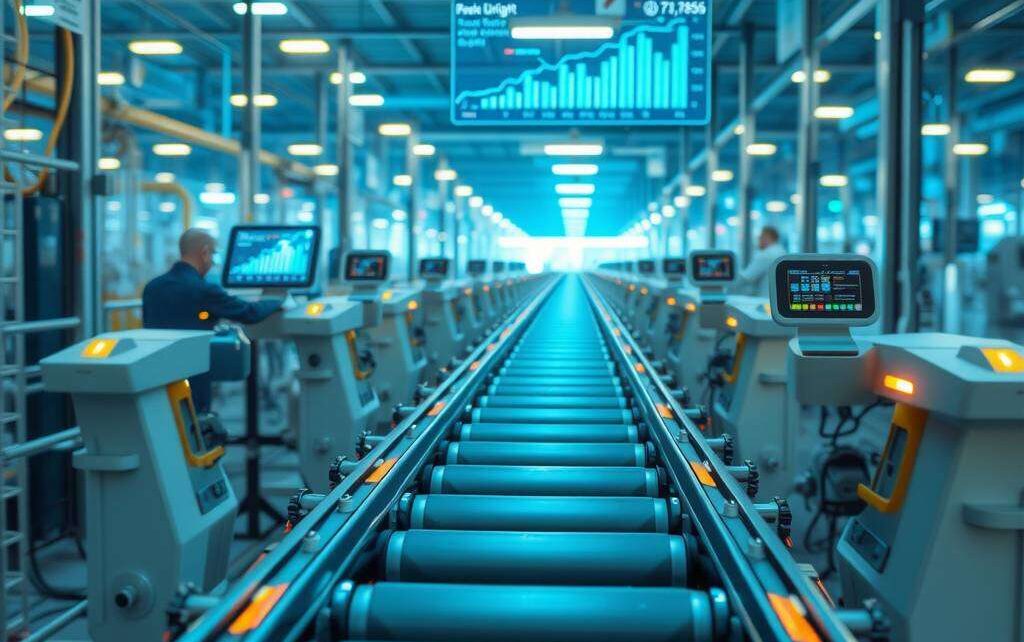
The advent of Industry 4.0 has revolutionised manufacturing and logistics, bringing about a new era characterised by connectivity, automation, and real-time data analytics. Conveyor systems are no longer standalone components but integral parts of a larger, intelligent infrastructure. Smart conveyors equipped with sensors, cameras, and IoT (Internet of Things) devices are facilitating unprecedented levels of automation and operational insight.
By 2026, we anticipate widespread adoption of smart conveyor solutions that enable predictive maintenance, minimise downtime, and optimise flow management. These systems can automatically detect jams, identify wear and tear, and relay diagnostic data to central control systems. Furthermore, integration with warehouse management and enterprise resource planning (ERP) platforms allows for seamless flow optimisation and enhanced decision-making processes.
The utilisation of AI-driven algorithms supports dynamic adjustments to conveyor operation, ensuring maximum efficiency even in complex and variable environments. Organisations investing in smart conveyor systems will benefit from increased throughput, reduced labour costs, and improved responsiveness to shifting demand patterns.
If you’re searching for reliable conveyors, Flexlink offers innovative solutions to streamline your operations. Our conveyors are designed for efficiency, durability, and ease of use, making them ideal for various industrial applications. Whether you need single track pallet conveyors or customized systems, Flexlink’s expertise ensures enhanced productivity and safety in your workflow. Explore more about our conveyor solutions today.
Conveyors play a crucial role in modern manufacturing and logistics, streamlining material handling processes. To explore innovative developments in this field, visit https://www.usenix.org/conference/osdi23/presentation/grubic. Advances in conveyor technology improve efficiency, safety, and automation, making them essential for high-volume production. As industries evolve, conveyor systems continue to adapt, integrating new features to meet increasing demands for faster and more reliable operations.
Sustainable and Energy-Efficient Conveyor Designs
Environmental sustainability continues to be a driving force behind innovations in conveyor technology. As regulatory pressures and consumer expectations push industries to adopt greener practices, conveyor manufacturers are prioritising energy-efficient designs and sustainable materials.
Enterprises are increasingly implementing conveyor systems with low energy consumption, such as those featuring variable frequency drives (VFDs) and regenerative drives that recover and reuse energy during operation. Additionally, lightweight yet durable materials are being utilised to reduce the overall carbon footprint without compromising system integrity.
Modular conveyor systems, which allow for easy reconfiguration and adaptability, further enhance sustainability by extending their operational lifespan and reducing waste. The adoption of eco-friendly lubricants and specialised coatings also contributes to reduced environmental impact.
By 2026, sustainable conveyor technology is expected to be a standard feature across most sectors, aligning operational efficiency with corporate social responsibility goals. Organisations that incorporate these systems not only benefit from cost savings but also bolster their reputation as environmentally conscious businesses.
Integration of Robotics and Automated Handling
Robotics and automated handling systems are increasingly integrated with conveyor technology to augment flexibility and throughput. Collaborative robots (cobots) working alongside conveyor systems can assist in sorting, packing, or quality control processes, creating streamlined workflows with minimal human intervention.
In the coming years, conveyor systems will often feature robotic arms and autonomous mobile robots (AMRs) working in tandem to perform complex material handling tasks. These integrated systems can adapt swiftly to changing product lines or supply chain demands, providing unparalleled agility.
Furthermore, automation extends to conveyor controls and logistics planning, where machine learning algorithms predict optimal routing paths and load balancing. Real-time tracking of products via RFID or computer vision technologies enhances visibility, accuracy, and traceability throughout the supply chain.
The integration of robotics into conveyor systems is poised to deliver significant operational efficiencies, reduce labour dependency, and minimise errors, making automation a cornerstone of 2026 conveyor technology.
Conveyors play a vital role in enhancing efficiency and productivity across various industries. They streamline the movement of goods, reduce manual labor, and improve safety in different warehouse and manufacturing environments. Whether for sorting, packaging, or transporting items, choosing the right conveyor system is essential. For high-quality options, explore the range of conveyors. These systems are designed to meet diverse operational needs, ensuring smooth and reliable material handling solutions for your business.
Advanced Safety and Human-Centric Features
As conveyor systems become increasingly sophisticated, ensuring safety remains paramount. The future landscape of conveyor technology places a strong emphasis on advanced safety features designed to protect personnel without compromising productivity.
Innovations such as intelligent emergency stop systems equipped with sensors and automation controls allow for rapid response in hazardous situations. Safety cages, safety light curtains, and proximity sensors are now standard on modern conveyor systems to prevent accidental contact and incidents.
Moreover, human-centric design principles are influencing conveyor engineering, making system interfaces intuitive and ergonomic. User-friendly controls, transparent guarding, and automated shutdown processes reduce operator fatigue and errors.
In tandem with automation, these safety enhancements foster safer working environments, enabling operators to work confidently alongside complex conveyor systems. For 2026, a focus on safety will ensure that technological advancements do not come at the expense of personnel wellbeing, positioning conveyors as integral components of safe and efficient workplaces.
The evolution of conveyor technology by 2026 promises a future characterised by intelligent, sustainable, and safe systems capable of transforming industrial operations. Staying abreast of these developments allows organisations to harness the full potential of cutting-edge conveyor solutions, driving productivity and innovation in an increasingly competitive landscape.