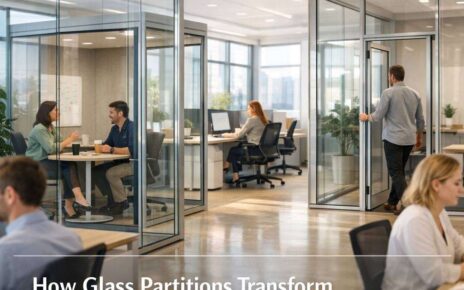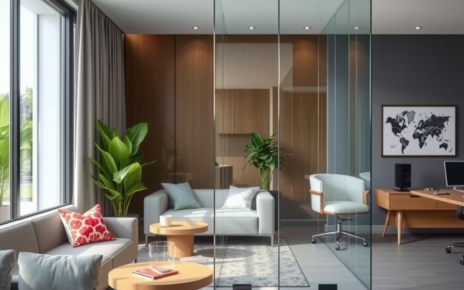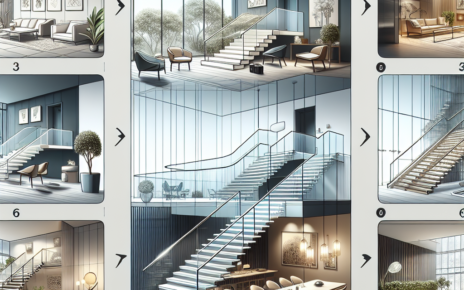


Glass walls have become a defining feature of contemporary workplaces, offering a sleek aesthetic and a sense of openness. For many businesses, the decision to invest in glass walls, interior glass walls, and related solutions such as aluminium glass office partitions and glass office walls and doors, can transform the way teams collaborate and clients perceive the brand. This article examines the key advantages and potential drawbacks of installing glass walls in commercial spaces, drawing on practical considerations for facilities managers, designers, and business leaders.
In modern interiors, transparency is more than a stylistic choice—it signals openness, accountability, and a commitment to a collaborative culture. However, the perceived fragility of glass and the need for effective noise control demand careful planning. By weighing the pros and cons of glass wall systems, businesses can determine whether this architectural approach aligns with their objectives, budget, and operational needs.
The Pros
Enhanced natural light and perceived spaceGlass walls, including interior glass walls and partition wall ideas, maximise daylight penetration, reducing the need for artificial lighting during daytime hours. This can create a brighter, more welcoming environment and can contribute to a sense of spaciousness in smaller or irregular floor plans. When used in conjunction with glass wall frames and slim profiles, the result is a clean, contemporary look that can make compact offices feel more open.
Improved collaboration and visibilityOpen sightlines facilitated by glass office walls and doors foster spontaneous communication and quick information sharing. In teams that rely on rapid feedback and cross-disciplinary interaction, visible workspaces can shorten transfer times and support a more agile operating style. Aluminium glass office partitions provide a robust, modular framework that supports expansive layouts without sacrificing the benefits of transparency.
Flexibility and adaptabilityGlass walls can be configured to create a range of spaces—from private meeting rooms to open collaboration zones. Half glass office partitions, featuring solid panels or frosted sections combined with clear glass, offer a compromise between openness and privacy. Partition wall ideas often emphasise modularity, enabling facilities teams to reconfigure layouts as business needs evolve, without substantial renovations.
Aesthetics and brand perceptionGlass office walls and doors convey a premium, modern image that can differentiate a business in competitive markets. When paired with high-quality glass wall frames and precision hardware, the resulting interior exudes sophistication, reinforcing brand values such as professionalism and transparency. Perimeter glazing and interior glass walls can also align with sustainable design strategies by supporting daylight autonomy and reducing artificial lighting loads.
Sound management opportunitiesWhile glass walls are inherently transparent, carefully engineered glazing and frame systems can provide effective sound attenuation. Options such as laminated or insulated glass, along with precise sealings around glass wall frames, can achieve comfortable acoustics in many office environments. For spaces requiring higher levels of privacy, designers may employ a combination of clear and frosted sections, or use glass partitions with acoustic inserts.
Easy maintenance and durabilityModern glass walls are engineered for durability in high-occupancy settings. Glass office walls and doors can be cleaned with standard glass cleaners, and many products offer scratch-resistant finishes. When selecting systems, consider features such as concealed fixings in aluminium glass office partitions and reinforced door hardware to minimise maintenance exposure in busy corridors and entryways.
The Cons
Cost considerationsInitial capital expenditure for glass walls, especially bespoke solutions with premium glass types and custom glass wall frames, can be higher than for traditional drywall partitions. Ongoing costs include maintenance of frames, seals, and hardware, as well as potential upgrades to glazing for enhanced privacy or security. A thorough life-cycle cost analysis is essential to determine long-term value.
Privacy and confidentiality challengesTransparency, while beneficial for collaboration, can impede privacy in certain environments. Without appropriate treatment, glass walls may expose sensitive discussions or proprietary information. Strategies to mitigate this include using half glass office partitions with frosted or tinted panels, acoustic privacy solutions, and intelligently positioned glass walls to create secluded zones where needed.
Acoustic limitationsEven with laminated glass or specialised acoustic grades, a fully open glass system can transmit sound more readily than solid partitions. In spaces with intensive concentration requirements, such as design studios or financial trading rooms, additional acoustic treatments may be necessary. This could involve ceiling-mounted acoustic elements, absorptive finishes, or selective use of solid or frosted panels within a partition wall design.
Cleaning and maintenance demandsGlass surfaces show smudges, fingerprints, and dust more readily than traditional walls. High-traffic areas require frequent cleaning, which can increase operating expenses. The use of protective films or coatings and careful selection of glass types can mitigate cleaning burdens but may add to upfront costs.
Security and safety concernsIn certain sectors, glass walls must meet stringent safety standards and impact resistance. For buildings with high-security requirements, robust glass options and secure hardware are essential. Additionally, inertial considerations—such as heavy doors and corner fixtures—should be evaluated to prevent accidental damage in busy circulation zones.
Implementation considerations
Choosing the right systemThe market offers a range of options, including glass wall frames, aluminium glass office partitions, and system partitions designed for compliance with acoustic and safety standards. When evaluating products, prioritise thermal and acoustic performance, hardware longevity, and the ease of maintenance. Pay particular attention to the compatibility of glass office walls and doors with existing building envelopes and MEP services.
Designing for privacy without sacrificing opennessA balanced approach often yields the best outcomes. Combine clear glazing with strategic use of frosted panels, decorative films, or transition zones to achieve privacy where required while preserving the benefits of visibility and daylight. Half glass office partitions can be especially effective in high-traffic areas, offering privacy at workstations without entirely severing lines of sight.
Sustainability and life-cycle impactGlass walls can contribute to energy efficiency through daylight utilisation, but the production and replacement of glazing carry environmental implications. Opt for recycled-content or low-embodied-energy glass, and select framing systems with durable coatings to extend service life. Consider recyclability and end-of-life options for partition wall ideas to support a circular economy.
Implementation and maintenance planningEngage experienced installers who understand the nuances of glass wall frames, seals, and glazing types. A well-designed system includes precise tolerances, robust fixings, and easy access for future upgrades. Develop a maintenance plan covering routine inspections, cleaning protocols, and periodic glazing checks to sustain performance over time.
In summary, glass walls and related systems offer compelling advantages for modern commercial spaces, from enhanced daylight and collaborative potential to reputational benefits and flexibility. However, they also require careful attention to privacy, acoustics, security, and lifecycle costs. By evaluating specific space requirements, utilising appropriate products such as interior glass walls, glass wall frames, and aluminium glass office partitions, and planning for ongoing maintenance, organisations can harness the full potential of glass office walls and doors while mitigating potential drawbacks. Orchestrating a thoughtful balance between openness and privacy—via half glass office partitions or selective partition wall ideas—can deliver an environment that is as functional as it is visually striking.
Glass walls transform interiors by blending openness with defined spaces, enhancing light flow and perceived room size. They support modern aesthetics while maintaining privacy through frosted or partial panels. Architects often deploy glass walls to separate work zones without creating visual confinement, fostering collaboration and focus. For durable, stylish options, explore innovative designs and installation services. https://www.urbansquare.net/glass-partitions-office-walls Integrating glass walls can elevate offices, studios, and residential spaces with sleek transparency and noise control.