

As we venture further into the 21st century, the architectural landscape continues to evolve rapidly, driven by technological advancements and changing societal needs. One of the most dynamic aspects of modern architecture is glazing. Architectural glazing not only enhances the aesthetic appeal of buildings but also plays a crucial role in energy efficiency and sustainability. As an expert in the field, I can tell you that keeping abreast of the latest innovations and trends in architectural glazing is essential for architects, builders, and developers alike.
With a growing emphasis on sustainable design, the architectural glazing industry is witnessing remarkable innovations that are shaping the way we think about buildings. Let’s explore some key trends and advancements that we can expect to see in the near future.
Architectural Glazing Company Spotlight: Leading Innovators
The architectural glazing industry is home to a variety of companies making significant strides in technology and design. Leading architectural glazing companies are at the forefront of innovation, offering a range of products that aim to meet modern demands for sustainability and performance.
Many of these companies are integrating smart technologies into their offerings, allowing for real-time energy management and enhanced user comfort. For example, dynamic glazing—glass that can change its tint based on sunlight exposure—is gaining traction. This not only reduces glare but also minimises heat gain, leading to substantial energy savings. It’s exciting to see how these innovations are being incorporated into both commercial and residential projects.
Architectural Glazing Products: Embracing Sustainability
As environmental concerns continue to rise, the demand for sustainable architectural glazing products is more crucial than ever. The development of energy-efficient products is becoming a key focus for architectural glazing companies, with many transitioning to glass solutions that incorporate recycled materials and low-emissivity (Low-E) coatings.
Low-E glass technology helps to maintain optimal indoor temperatures by reflecting heat back into the room during winter and keeping it out during summer. This feature not only enhances comfort but also reduces reliance on heating and cooling systems, thereby lowering energy consumption. Additionally, the use of triple-glazing—comprising three layers of glass—further improves insulation, making buildings more energy-efficient.
The push for sustainability is also leading to the creation of self-cleaning glass products, which use a special coating that breaks down dirt and grime using sunlight and rain. This innovation reduces the need for harsh cleaning chemicals and ongoing maintenance, making it a win-win for both the environment and building users.
Innovative Design Trends: Aesthetics Meets Functionality
One of the most exciting trends in architectural glazing is the fusion of aesthetics and functionality. Today’s architects are pushing the boundaries of design, leveraging large glass façades to create stunning visual impacts. Innovative glazing products, such as curved or flexible glass, offer new design possibilities that allow for creative shapes and forms.
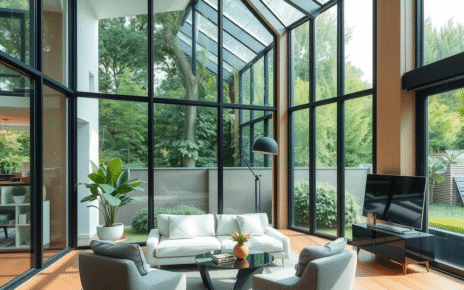
The trend toward biophilic design—incorporating natural elements into buildings—is also impacting architectural glazing. Designers are now prioritising greater transparency and natural light to enhance the connection between the indoors and outdoors. Products that offer expansive views while maintaining energy efficiency are in high demand. Glass walls and large windows are becoming staples in modern architecture, promoting not only visual appeal but also emotional well-being.
FAQ: Architectural Glazing
What is architectural glazing?
Architectural glazing refers to the use of glass as a key element in building design. It includes various types of glass products that are incorporated into the architecture of buildings, such as windows, facades, curtain walls, and skylights. This glazing not only enhances aesthetic appeal but also contributes to energy efficiency and occupant comfort.
Why is architectural glazing important?
Architectural glazing plays a crucial role in modern construction by providing natural light, improving insulation, and ensuring safety. It can enhance the visual connection between indoor and outdoor spaces while also reducing energy consumption through effective thermal performance.
What types of glass are used in architectural glazing?
There are several types of glass commonly used in architectural glazing, including:
- Annealed Glass: Basic type with no special treatment.
- Tempered Glass: Heat-treated for increased strength.
- Laminated Glass: Consists of multiple layers for added safety.
- Low-E Glass: Coated to reflect infrared light while allowing visible light through.
- Insulated Glass Units (IGUs): Comprises two or more glass panes separated by an air or gas-filled space for better thermal performance.
How does architectural glazing affect energy efficiency?
Architectural glazing can significantly influence a building’s energy efficiency. With advancements like Low-E coatings and insulated units that minimise heat transfer, properly designed glazed facades can reduce heating and cooling costs while promoting natural daylighting within spaces.
What considerations should be made for selecting architectural glazing?
When selecting architectural glazing, consider factors such as:
- Energy performance ratings (U-value, SHGC).
- Acoustic insulation properties.
- Safety regulations (particularly for laminated or tempered products).
- Aesthetic preferences aligning with design goals.
- Local climate factors impacting heat gain or loss.
Is there ongoing maintenance required for architectural glazing?
Yes, regular maintenance is recommended for systems involving architectural glazing to ensure optimal performance and longevity. This may include cleaning surfaces to maintain transparency; checking seals around windows; inspecting frames for wear; and addressing any damage quickly to prevent moisture intrusion.
Can I use decorative elements within my architectural glaze design?
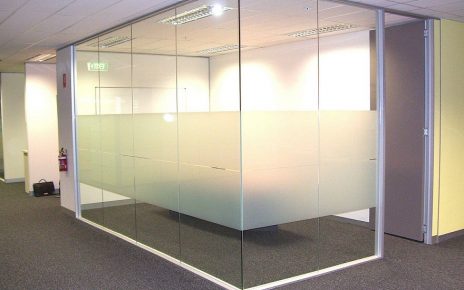
Absolutely! Decorative elements such as fritted patterns on the surface of the glass or coloured interlayers within laminated systems can greatly enhance visual appeal while still maintaining functionality regarding light transmission and solar control.
Is there a difference between commercial and residential architectural glazing?
Yes! Commercial architecture often employs larger scale installations with higher-performance requirements suited to public usage patterns (like high-rises), whereas residential applications typically focus on aesthetics tailored toward individual homeowners’ tastes alongside protecting privacy needs in smaller environments.
For further inquiries related specifically about your project needs concerning architectural glazing, feel free to reach out directly!
The Rise of Smart Glazing Solutions
As smart technology continues to infiltrate our everyday lives, the role of smart glazing solutions in architectural design cannot be overstated. These innovative products can adjust their properties in response to changing environmental conditions, thereby optimising energy use throughout the day.
For instance, electrochromic glass can change its tint with the flip of a switch or through automated systems. With smart home technologies linking to building management systems, architects can create environments that adapt flexibly to both occupant needs and external conditions. This innovation certainly points towards a future where buildings are not just structures but smart, responsive environments.
Architectural glazing plays a vital role in modern building design, enhancing aesthetics and energy efficiency. By incorporating innovative materials and technologies, architectural glazing allows for stunning facades while maximizing natural light. This creates a harmonious balance between beauty and functionality, making it an essential element in contemporary architecture. Explore the latest trends in architectural glazing today!
Challenges and Considerations for Architectural Glazing
While the future of architectural glazing is brimming with innovation, it is not without its challenges. Issues such as the cost of advanced materials and technologies, as well as the need for skilled labour to install these sophisticated products, must be addressed. Moreover, the construction industry is grappling with regulations and standards concerning energy efficiency and sustainability, which vary across regions.
Architectural glazing companies, therefore, have an essential role in educating both clients and industry practitioners about the benefits and limitations of new products. Collaborating with architects and developers will be key to ensuring that these innovations are seamlessly integrated into designs.
Conclusion
As we stand on the brink of a new era in architectural glazing, it is clear that innovation and sustainability will drive future developments in the sector. The advancements in glazing technology not only enhance the aesthetic value of our buildings but also play a critical role in creating energy-efficient, adaptable, and environmentally friendly spaces. By staying informed about these trends, architects and builders will be better equipped to design the inspiring structures of tomorrow.