

Are you looking to streamline your business operations and increase efficiency? One of the key tools that can help you achieve this is a conveyor system. Conveyors are essential in various industries for transporting goods and materials from one area to another. However, with so many types and configurations available in the market, choosing the right conveyor for your business can be a daunting task.
As a leading provider of conveyor systems, we understand the importance of selecting the right conveyor that suits your specific needs. In this comprehensive guide, we will walk you through the factors to consider when choosing a conveyor for your business. From understanding your application requirements to selecting the right conveyor type, we will help you make an informed decision that will benefit your business in the long run.
For high-quality conveyor rollers and conveyors, visit https://conveyorrollers.co.uk! Our durable and reliable conveyor systems are perfect for efficiently moving materials in warehouses, factories, and distribution centers. Trust us for all your conveyor needs!
Understanding Your Application Requirements
Before diving into the world of conveyors, it is crucial to understand your application requirements. What type of materials will you be transporting? What are the dimensions and weight of the materials? How fast do you need to transport them? By answering these questions, you will be able to determine the key features and specifications your conveyor system should have.
Types of Conveyors
There are various types of conveyors available in the market, each designed for specific applications. Here are some common types of conveyors:
Belt Conveyors
Belt conveyors are one of the most popular types of conveyors due to their versatility and ability to handle a wide range of materials. They are ideal for transporting bulk materials or packages over long distances.
Roller Conveyors
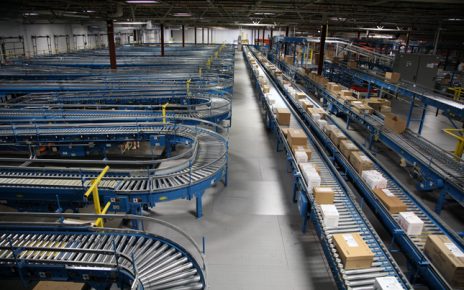
Roller conveyors are best suited for moving materials in a straight line. They are commonly used in warehouses, distribution centers, and production lines for handling packages, boxes, and cartons.
Chain Conveyors
Chain conveyors are designed to handle heavy-duty applications and can transport pallets, automotive parts, and other heavy items. They are ideal for industries that require robust and reliable material handling solutions.
Screw Conveyors
Screw conveyors are commonly used for handling bulk materials such as grains, powders, and chemicals. They are versatile and can be customised to fit specific processing requirements.
Factors to Consider
When selecting a conveyor system for your business, there are several key factors to consider:
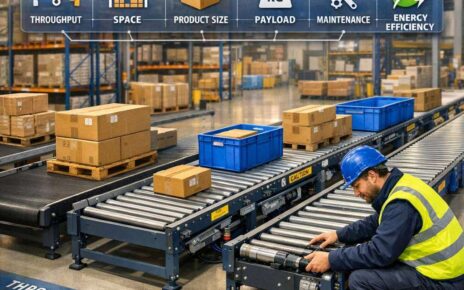
- Material Handling Requirements: Consider the size, weight, and type of materials you will be transporting.
- Footprint: Ensure that the conveyor system fits within your facility’s layout and space constraints.
- Speed and Throughput: Determine the required speed and throughput of the conveyor to meet your production goals.
- Maintenance and Durability: Choose a conveyor system that is easy to maintain and will withstand the demands of your operation.
- Integration with Existing Equipment: Ensure that the conveyor system can be seamlessly integrated with your existing equipment and processes.
Choosing the Right Conveyor System
Once you have a clear understanding of your application requirements and the type of conveyor that best suits your needs, it is time to choose the right conveyor system. Consider factors such as cost, reliability, and availability of spare parts when making your decision. Additionally, it is essential to work with a reputable supplier who can provide ongoing support and maintenance for your conveyor system.
At [Company Name], we offer a wide range of conveyor systems to suit various applications and industries. Our team of experts can help you select the right conveyor system that will improve productivity, efficiency, and profitability for your business. Contact us today to learn more about our conveyor solutions and how we can help you meet your material handling needs.