
In today’s fast-paced industrial landscape, the efficiency of operations plays a critical role in determining the success of a business. One of the key components that influence operational efficiency is the conveyor system employed to move materials and products throughout the facility. Selecting the right conveyors can streamline processes, boost productivity, and ultimately enhance profitability. This essential guide will outline the vital factors you need to consider when choosing the right conveyors for your business.
Understanding Conveyor Systems
Before diving into the specifics of selecting conveyors, it’s crucial to understand the various types of conveyor systems that are available. Conveyor systems are mechanical devices designed to transport materials from one location to another within a facility. They are versatile, capable of handling various types of products, including bulk materials, packages, and assembly line components.
The main types of conveyor systems include:
-
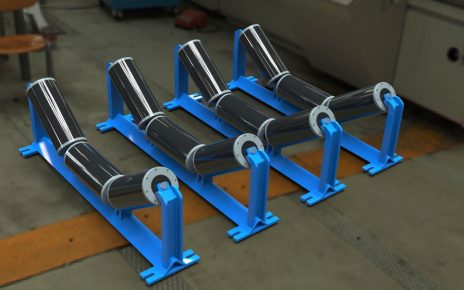
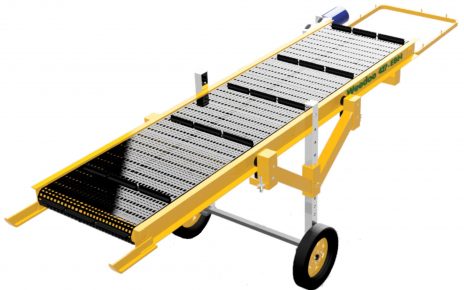
Belt Conveyors: Widely used in numerous industries, belt conveyors transport materials over a continuous loop of flexible material (the belt). They are ideal for moving bulk materials and items of various sizes.
-
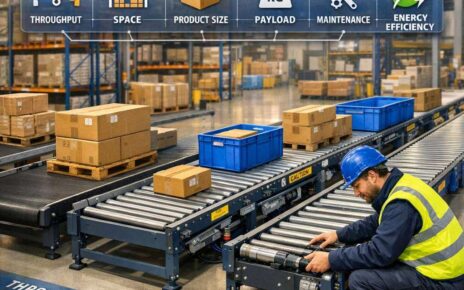
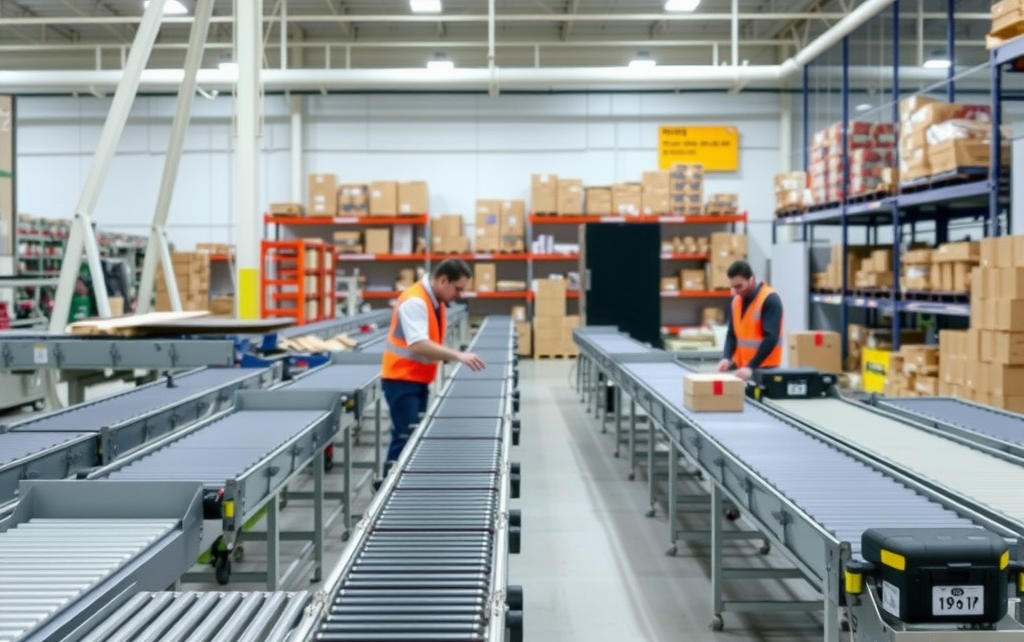
Roller Conveyors: These utilise rollers to move products along the conveyor system, offering great flexibility in product handling. They are commonly used in warehouses and logistics applications.
-
Chain Conveyors: Known for their strength, chain conveyors are perfect for transporting heavy goods, pallets, or items on a production line.
Belt Conveyors: Widely used in numerous industries, belt conveyors transport materials over a continuous loop of flexible material (the belt). They are ideal for moving bulk materials and items of various sizes.
Roller Conveyors: These utilise rollers to move products along the conveyor system, offering great flexibility in product handling. They are commonly used in warehouses and logistics applications.
Chain Conveyors: Known for their strength, chain conveyors are perfect for transporting heavy goods, pallets, or items on a production line.
Understanding the nuances of these systems will help you decide which type best suits your operational requirements.
Assessing Your Needs
When evaluating which conveyor systems are right for your business, it is essential to assess your specific needs meticulously. Here are some guidelines to consider:
Type of Material: Identify the types of materials you’ll be handling. The characteristics of the material—such as size, weight, and fragility—play a significant role in determining the kind of conveyor that will be most effective.
Layout of the Facility: The design of your workspace can influence the choice of conveyor systems. Consider the available space, the layout of your production line, and any obstacles that may exist. Customisation may be required to maximise efficiency.
Load Capacity: Each conveyor type has a specific load capacity. Ensure that the conveyor system you select can handle the maximum weight of the products or materials you will transport without risking damage or failure.
Speed and Efficiency: Different conveyor systems offer varying speeds, which can affect productivity. Assess how quickly products need to be moved through your operation and select a conveyor that can meet those requirements.
Environmental Considerations: The operating environment also plays a crucial role. For instance, if the conveyors will be used in an environment with exposure to moisture, dust, or extreme temperatures, you will need to consider materials that can withstand such conditions.
Evaluating Conveyor Features
Once you have a clear understanding of your operational needs, it’s time to evaluate the features of potential conveyor systems. Here are some essential features to consider:
-
Flexibility and Modularity: Look for conveyor systems that are modular and can be easily reconfigured as your business needs change. This adaptability is crucial in a dynamic operating environment.
-
Maintenance Requirements: Different conveyor systems come with different maintenance demands. Opt for systems that are easy to maintain, as regular upkeep will minimise downtime and repair costs.
-
Safety Features: The safety of your workforce should be a top priority. Check whether the conveyor systems include features such as emergency stops, guarding, and system interlocks to ensure safe operation.
-
Integration with Existing Systems: If your facility already uses automation or material handling systems, consider how easily new conveyors will integrate with existing equipment. Seamless integration can enhance efficiency and reduce training time for your staff.
-
Energy Efficiency: In today’s environmentally conscious climate, choosing energy-efficient conveyors can save costs and enhance your company’s sustainability initiatives.
-
Cost: Finally, consider the initial cost versus the long-term return on investment (ROI). The cheapest option may not always be the best. Evaluate the total cost of ownership, including maintenance, operational costs, and potential savings on energy.
Flexibility and Modularity: Look for conveyor systems that are modular and can be easily reconfigured as your business needs change. This adaptability is crucial in a dynamic operating environment.
Maintenance Requirements: Different conveyor systems come with different maintenance demands. Opt for systems that are easy to maintain, as regular upkeep will minimise downtime and repair costs.
Safety Features: The safety of your workforce should be a top priority. Check whether the conveyor systems include features such as emergency stops, guarding, and system interlocks to ensure safe operation.
Integration with Existing Systems: If your facility already uses automation or material handling systems, consider how easily new conveyors will integrate with existing equipment. Seamless integration can enhance efficiency and reduce training time for your staff.
Energy Efficiency: In today’s environmentally conscious climate, choosing energy-efficient conveyors can save costs and enhance your company’s sustainability initiatives.
Cost: Finally, consider the initial cost versus the long-term return on investment (ROI). The cheapest option may not always be the best. Evaluate the total cost of ownership, including maintenance, operational costs, and potential savings on energy.
Selecting the right conveyors is a crucial investment for any business looking to optimise its operations. By thoroughly understanding your needs, the types of conveyor systems available, and the features that match your requirements, you can make an informed decision that boosts productivity and supports your long-term goals.
FAQ: Conveyors
What are conveyors?
Conveyors are mechanical devices designed to transport materials or products from one location to another within a facility. They come in various forms, including belt conveyors, roller conveyors, and chain conveyors, each tailored for specific applications.
How do conveyors work?
Conveyors operate by using a system of pulleys and belts (or other mechanisms) that move items along a fixed path. The movement is typically powered by an electric motor that drives the conveyor belt or chain. Depending on the design, some conveyors can be adjustable in speed and incline.
What industries use conveyors?
Conveyors are widely used across various industries such as manufacturing, warehousing, logistics, mining, food processing, packaging, and more. They streamline operations by automating material handling processes.
What types of conveyors are available?
There are several types of conveyors available to suit different needs:
- Belt Conveyors: Move materials on flexible belts.
- Roller Conveyors: Use rollers for transporting items.
- Chain Conveyors: Utilise chains for heavy loads.
- Bucket Elevators: Lift bulk materials vertically.
- Screw Conveyors: Move granular material through a rotating screw mechanism.
How do I choose the right conveyor for my application?
Choosing the right conveyor depends on factors such as:
- Type of material being transported
- Weight and size of items
- Distance between start and endpoints
- Required speed and efficiency levels
- Environmental conditions (e.g., temperature or exposure to moisture)
Consulting with a conveyor specialist can help you identify the best option for your needs.
How do I maintain my conveyers?
Regular maintenance is crucial for ensuring optimal performance of your conveyor system. Here are some maintenance tips:
- Regularly inspect all components (belts, rollers).
- Lubricate moving parts as necessary.
- Ensure alignment is correct to prevent wear.
- Clean debris off the system regularly.
Creating a maintenance schedule based on usage patterns is also advisable.
Can I customise my conveyor system?
Yes! Many manufacturers offer customisable options tailored to specific operational needs—ranging from different lengths and widths to special materials that withstand harsh environments or meet food safety standards.
Are there safety concerns associated with using conveyors?
Yes; like any machinery, there are inherent safety risks in using conveyers:
- Entanglement in moving parts
- Falls due to loose access points
- Improper loading leading to tipping
To mitigate these risks:
- Train employees adequately on safe operation practices,
- Install safety guards,
- Implement emergency stop switches where necessary.
If you have further questions about conveying solutions tailored specifically for your business needs or any additional inquiries not covered here please contact us!
Conveyors play a crucial role in modern logistics, streamlining the movement of goods across various industries. By optimizing workflow and efficiency, they reduce labor costs and enhance productivity. Explore innovative conveyor solutions at https://conveyorrollers.co.uk to find the perfect fit for your operational needs today.