

In today’s fast-paced business environment, organisations are continually seeking efficiencies and effective ways to manage their operations. One of the most fundamental challenges faced by businesses is the procurement process. To streamline this process, many have turned to purchase order management software. A robust purchase order system can not only save time and reduce errors but also enhance supplier relationships and increase transparency within the purchasing process. This guide delves into the key features and benefits of purchase order systems, helping you make an informed decision.
Key Features of a Purchase Order System
A well-designed purchase order system is an invaluable asset for any organisation. Here are some essential features to consider when evaluating purchase order software:
1. User-Friendly Interface
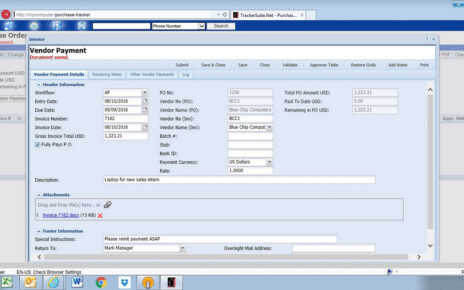
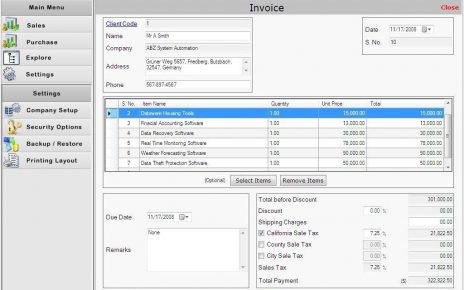
Navigating complex systems can frustrate employees, leading to inefficient processes and errors. A top-tier purchase order management system offers a user-friendly interface that simplifies the procurement process. Intuitive dashboards, easy navigation, and clear categorisation of information allow users to create, modify, and track purchase orders without extensive training.
2. Real-Time Tracking and Reporting
Advancements in technology allow for real-time tracking of orders and inventory levels. Being able to monitor the status of purchase orders in real-time helps businesses maintain optimal stock levels and avoid delays. Purchase order systems come equipped with robust reporting tools that provide valuable insights into spending trends, supplier performance, and overall procurement efficiency. This data is crucial for making informed decisions and identifying areas for improvement.
3. Integration Capabilities
For a purchase order system to be truly effective, it must seamlessly integrate with existing software solutions like enterprise resource planning (ERP), accounting software, and inventory management systems. Integration capabilities ensure that data flows smoothly between systems, reducing manual data entry and the risk of errors. This connectivity allows for improved fiscal oversight, ensuring that financial records align with procurement data.
Benefits of Implementing a Purchase Order Management System
Implementing a purchase order management software can transform the way a business operates. Here are some standout benefits:
1. Increased Efficiency and Productivity
Manual purchase order processes are often fraught with delays and errors. Automating these processes frees employees from labour-intensive tasks, allowing them to focus on higher-value activities. This shift promotes an overall increase in productivity and efficiency within the procurement team. For instance, a PO software can automate basic functions such as order creation, approval workflows, and tracking, streamlining the entire purchasing lifecycle.
Effective purchase order systems streamline procurement processes, ensuring that businesses maintain efficiency and accuracy in their purchasing activities. These systems facilitate better tracking of orders, management of inventory, and overall financial control. By automating various aspects of the purchasing workflow, companies can reduce errors and enhance collaboration among teams. For a comprehensive solution that enhances your procurement efforts, consider exploring the features offered by leading providers like cloudb2b.co.uk.
2. Enhanced Cost Control
A structured purchase order system contributes to better financial management. By utilising a purchase order management system, companies can set budget limits and alert users when they are nearing those thresholds. Additionally, the software enables organisations to analyse spending patterns, identify cost-saving opportunities, and negotiate better terms with suppliers based on comprehensive purchase history data. All of these factors contribute to enhanced cost control and more informed purchasing decisions.
3. Improved Supplier Relationships
A purchase order management system fosters enhanced communication and collaboration with suppliers. By providing clear and consistent information regarding order specifications, quantities, and delivery dates, the likelihood of disputes decreases significantly. Moreover, real-time tracking allows both parties to stay updated on order status, ensuring that expectations are aligned. Good supplier relationships are invaluable for negotiating favourable terms and ensuring timely deliveries, ultimately supporting the success of your business.
Implementing effective purchase order systems is crucial for streamlining procurement processes in any business. These systems help manage purchase orders efficiently, reducing errors and enhancing transparency. By adopting innovative solutions, companies can improve their purchasing workflows, gain real-time insights, and boost collaboration among teams. For comprehensive purchase order solutions, consider exploring options available at https://cloudb2b.co.uk/, which can tailor functionalities to meet your organization’s needs.
Conclusion
Incorporating a state-of-the-art purchase order system into your operations can revolutionise your procurement processes. With features such as a user-friendly interface, real-time tracking, and comprehensive reporting capabilities, these systems provide significant advantages for businesses. By capitalising on the benefits of increased efficiency, enhanced cost control, and improved supplier relationships, organisations can position themselves for long-term, sustainable success. Investing in the right purchase order management software is not merely a transactional decision; it is a strategic move towards achieving operational excellence. Make the leap today and transform your procurement processes into a streamlined, efficient, and transparent operation.