
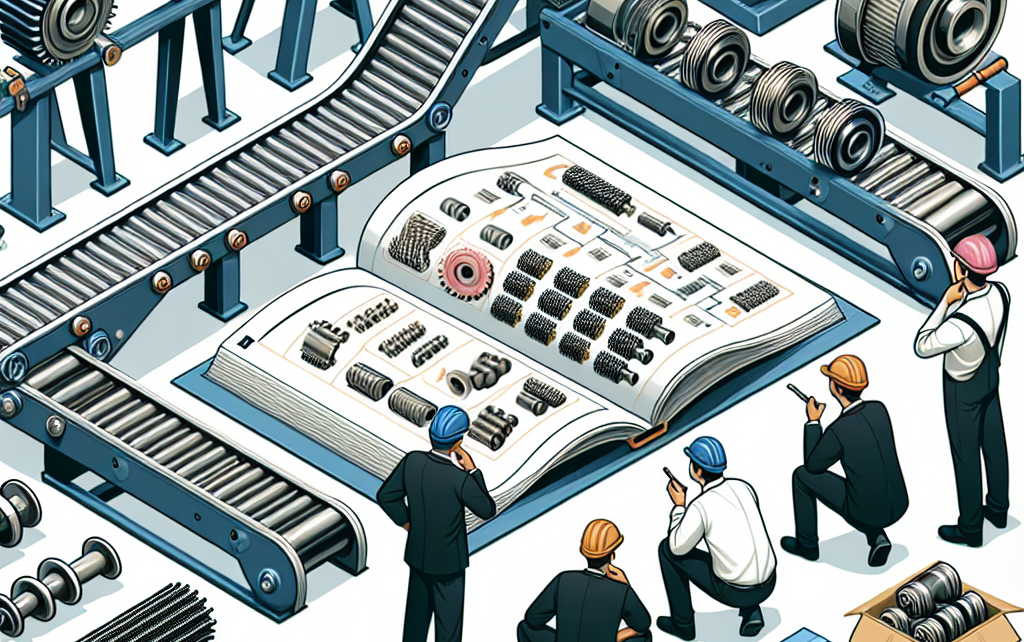
As an expert in the field of conveyor systems, I understand the importance of selecting the right rollers for your conveyors. Whether you are looking for plastic rollers, steel rollers, gravity rollers, or driven rollers, choosing the correct type of roller is crucial for the smooth and efficient operation of your conveyor system. In this guide, I will walk you through the different types of rollers available, their specific uses, and how to choose the best rollers for your conveyor system.
Types of conveyor rollers
Plastic rollers
Plastic rollers are a popular choice for conveyor systems due to their lightweight construction and corrosion-resistant properties. They are ideal for applications where product weight is a concern, as they are easy to handle and move. Plastic rollers are commonly used in food processing, packaging, and pharmaceutical industries.
Steel rollers
Steel rollers are known for their durability and strength, making them suitable for heavy-duty applications. They can withstand high loads and are resistant to wear and tear. Steel rollers are often used in mining, construction, and manufacturing industries where heavy materials need to be transported.
Gravity rollers
Gravity rollers are designed to facilitate the movement of products along a conveyor system without the need for external power. They rely on the force of gravity to move products downhill, making them an energy-efficient option. Gravity rollers are commonly used in warehousing, distribution centres, and assembly lines.
Rollers FAQ
How do rollers work?
Rollers are cylindrical objects that rotate around an axle, allowing them to move objects along a surface with minimal friction. They are often used in conveyor systems and material handling applications.
What are the different types of rollers available?
There are various types of rollers, including gravity rollers, powered rollers, tapered rollers, and non-powered skate wheel rollers. Each type is designed for specific applications and load capacities.
What materials are used to make rollers?
Rollers can be made from a variety of materials, including steel, aluminum, plastic, and rubber. The choice of material depends on factors such as the load capacity, durability requirements, and environmental conditions.
How do I choose the right roller for my application?
When selecting a roller for your application, consider factors such as load capacity, speed requirements, environmental conditions (e.g., temperature and moisture), and industry regulations. It is recommended to consult with a roller specialist to ensure you choose the right type for your specific needs.
How can I maintain my rollers for optimal performance?
To maintain optimal performance of your rollers, regularly inspect them for wear or damage. Clean them as needed to remove debris or buildup that could affect their operation. Lubricate moving parts when necessary to reduce friction and prolong their lifespan.
Can I customise my rollers for specific applications?
Yes! Many manufacturers offer customisation options for their rollers to meet unique specifications or requirements. This may include custom sizes or configurations based on your particular needs.
For smooth and efficient material handling, high-quality rollers are essential components of conveyor systems. At Conveyor Rollers, we offer a wide selection of rollers for conveyors that are durable and designed to meet the demands of various industries. With options such as gravity rollers, powered rollers, and tapered rollers, we have the perfect solution for your conveyor needs. Visit rollers for conveyors to browse our selection today.
Driven rollers
Driven rollers are powered by an external motor or sprocket system to move products along a conveyor system. They provide precise control over the speed and direction of product movement, making them ideal for applications where accuracy is essential. Driven rollers are often used in automated production lines and high-speed conveyor systems.
Sprocket rollers
Sprocket rollers feature built-in sprockets that engage with a chain or belt to drive the roller. They are commonly used in applications where products need to be conveyed at a specific speed or orientation. Sprocket rollers are ideal for curved conveyor systems, inclines, and declines.
Grooved rollers
Grooved rollers have ridges or grooves on their surface that help to guide products along the conveyor system. They prevent products from slipping or skewing during transportation, ensuring smooth and consistent movement. Grooved rollers are often used in applications where products need to be aligned or oriented.
How to choose the right rollers for your conveyor system
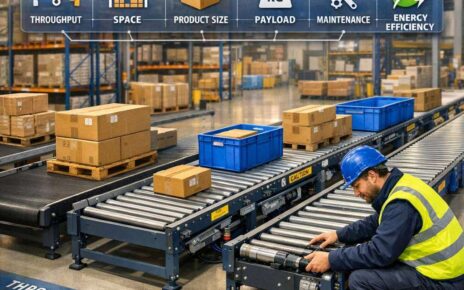
When selecting rollers for your conveyor system, there are several factors to consider:
Load capacity: Determine the weight of the products that will be transported on the conveyor system to select rollers that can support the load.
Speed and accuracy: Consider the required speed and precision of product movement to choose the appropriate type of roller, such as driven rollers or sprocket rollers.
Environment: Take into account the operating conditions of your conveyor system, including temperature, humidity, and exposure to chemicals, to select rollers that can withstand the environment.
Maintenance: Choose rollers that are easy to clean and maintain to prolong the lifespan of your conveyor system and minimise downtime.
Compatibility: Ensure that the rollers you select are compatible with your existing conveyor system, including the conveyor belt and frame.
Where to find conveyor rollers in the UK
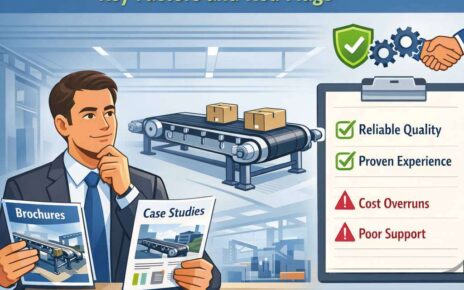
If you are looking for high-quality conveyor rollers in the UK, there are several reputable suppliers that offer a wide range of rollers to meet your specific needs. Whether you need plastic rollers, steel rollers, or grooved rollers, you can find them at competitive prices from trusted suppliers across the UK.
In conclusion, selecting the right rollers for your conveyor system is essential for ensuring the smooth and efficient operation of your facility. By understanding the different types of rollers available and considering key factors such as load capacity, speed, and environment, you can choose the best rollers for your specific application. Remember to regularly inspect and maintain your rollers to extend their lifespan and keep your conveyor system running smoothly.