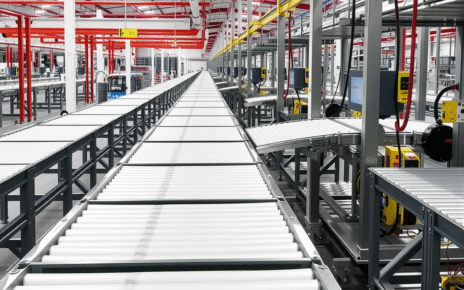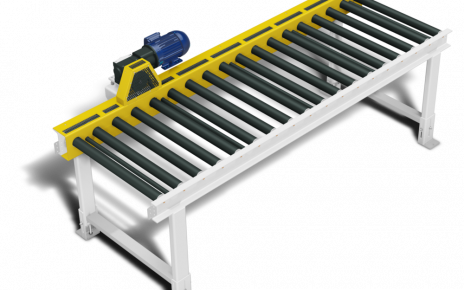


As a proud owner of a belt conveyer system, you know just how important it is to keep it well-maintained to ensure its longevity and efficiency. Whether you have a small modular belt conveyer or a heavy-duty industrial belt conveyer, regular maintenance is key to preventing breakdowns and costly repairs. By following some simple steps and best practises, you can keep your belt conveyer system running smoothly for years to come.
When it comes to maintaining your belt conveyer system, consistency is key. Regular inspections and maintenance checks can help catch any potential issues early on before they escalate into larger problems. By staying proactive and addressing any signs of wear and tear promptly, you can extend the lifespan of your conveyer and avoid unexpected downtime.
Regular Inspections and Cleaning
One of the most important aspects of maintaining your belt conveyer system is conducting regular inspections and cleaning. Make it a habit to inspect your conveyer belt for any signs of damage, such as tears, cuts, or worn-out sections. Check the belt tension, tracking, and alinement to ensure that it is running smoothly and efficiently.
Additionally, it is crucial to keep your belt conveyer clean to prevent material build-up and contamination. Regularly remove any debris, dust, or spills from the conveyer belt and rollers to prevent them from causing blockages or damage. Use appropriate cleaning materials and methods to avoid damaging the belt or other components of the conveyer system.
When it comes to moving products efficiently within a facility, belt conveyers are the go-to solution. These machines are designed to transport goods smoothly and quickly, saving time and labour costs. If you’re looking for high-quality belt conveyers that are built to last, check out conveyerrollers.co.uk for a wide selection of conveyer belt conveyer options.
Lubrication and Chain Maintenance
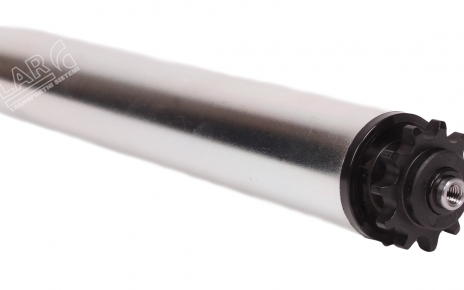
Proper lubrication is essential for the smooth operation of your belt conveyer system. Regularly lubricate the bearings, rollers, and chains to reduce friction and wear, and keep the conveyer running smoothly. Use the appropriate lubricant recommended by the manufacturer to ensure optimal performance and longevity of your conveyer system.
Chain maintenance is also crucial for the function of chain belt conveyers and chain-driven belt conveyers. Inspect the chains regularly for signs of wear, corrosion, or misalinement, and replace any damaged or worn-out components. Proper chain tension and alinement are essential for the efficient operation of chain-driven conveyers, so make sure to adjust them as needed.
Belt Tracking and Tension Adjustment
Proper belt tracking and tension are essential for the smooth operation of your conveyer system. Check the belt tracking regularly and adjust it as needed to ensure that the belt stays centred on the conveyer frame and does not wander off track. Incorrect belt tracking can cause premature wear and damage to the belt and other components of the conveyer system.
Maintaining the proper belt tension is also important for the efficient operation of your conveyer system. Check the belt tension regularly and adjust it as needed to prevent slippage, sagging, or excessive wear. Improper belt tension can lead to downtime and costly repairs, so make sure to keep the tension within the recommended range for your conveyer system.
In conclusion, maintaining your belt conveyer system is essential for its longevity and efficiency. By following regular inspection and maintenance practises, such as cleaning, lubrication, chain maintenance, belt tracking, and tension adjustment, you can ensure that your conveyer system runs smoothly and reliably for years to come. Remember, prevention is key when it comes to avoiding costly repairs and downtime, so make sure to stay proactive and address any issues promptly. With proper maintenance and care, your belt conveyer system can continue to serve you well and meet your material handling needs effectively.