

As the architectural landscape continues to evolve, the role of architectural glazing has become increasingly pivotal. Architectural glazing refers to the design and installation of glass products in buildings, ranging from windows to facades. With advancements in technology and a growing emphasis on aesthetics and sustainability, architectural glazing products are more critical than ever in modern construction. Let’s explore the benefits and innovations in this fascinating sector.
Benefits of Architectural Glazing
Aesthetic Appeal
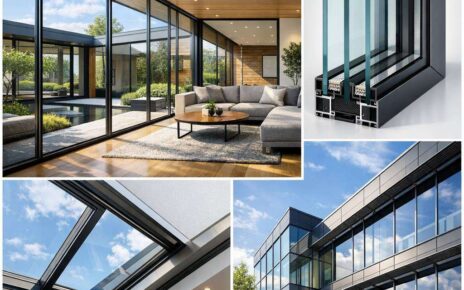
One of the primary benefits of architectural glazing is its ability to enhance the visual appeal of a structure. Large glass panels can create an impressive and inviting facade while allowing natural light to flood interiors, fostering a pleasant ambiance. This seamless connection between outside and inside spaces is highly coveted in contemporary architecture. Architectural glazing companies are now increasingly challenged to balance aesthetic considerations with practical functionality, thus driving innovation in form and design.
Energy Efficiency
Architectural glazing products have improved dramatically over the years, particularly regarding energy efficiency. Modern glazing techniques feature low-emissivity (low-E) coatings that reduce heat loss and limit the amount of harmful ultraviolet (UV) rays entering a building. Additionally, double and triple glazing options provide strong insulation, which can significantly decrease heating and cooling costs over time. With intense focus on sustainability in building practices, integrating energy-efficient architectural glazing has become a vital component of responsible design.
Acoustic Control
In urban environments, noise pollution can be a significant concern. Architectural glazing can provide an effective solution to this issue. Advanced glazing technologies significantly reduce sound transmission, providing a quieter indoor environment without compromising visual clarity. Acoustic glazing products are now widely used in residential, commercial, and institutional buildings, offering a barrier to external noise while allowing for generous daylighting.
Safety and Security
Another invaluable benefit presented by architectural glazing is enhanced safety and security. Today’s architectural glazing products include tempered and laminated glass options, which are designed to withstand impacts and resist shattering. These innovations are especially crucial in high-traffic areas and public spaces, where safety is paramount. Architectural glazing companies continue to develop products that incorporate safety features, such as special coatings that make them resistant to breakage and forced entry.
Innovations in Architectural Glazing
Smart Glazing Technology
One of the most exciting advancements in architectural glazing is the introduction of smart glazing technologies. These innovative products can change their properties in response to environmental stimuli, offering a new level of control over the indoor environment. For instance, some smart glazing solutions can tint automatically when exposed to sunlight, helping to reduce glare and improve energy efficiency. These technologies not only enhance user comfort but also contribute to the overall sustainability of a building.
FAQ: Architectural Glazing
What is architectural glazing?
Architectural glazing refers to the design and installation of glass elements in buildings. It encompasses a variety of functions, including windows, facades, curtain walls, skylights, and other glass installations that enhance both aesthetics and functionality in architecture.
What types of glass are used in architectural glazing?
There are several types of glass used in architectural glazing, including:
- Tempered Glass: Heat-treated for increased strength.
- Laminated Glass: Consists of two or more layers bonded together for safety and sound control.
- Insulated Glass Units (IGUs): Multiple panes with a sealed space between them for thermal insulation.
- Low-E Glass: Coated with a thin layer that reflects heat while allowing light to pass through.
Why is architectural glazing important?
Architectural glazing plays a crucial role in:
- Enhancing natural light within spaces
- Contributing to energy efficiency by improving insulation
- Providing aesthetic value and design flexibility
- Reducing noise pollution
- Ensuring safety through impact-resistant options
How does architectural glazing contribute to energy efficiency?
Architectural glazing can significantly improve energy efficiency by using advanced materials like low-emissivity (Low-E) coatings that reflect infrared energy. Insulated units also minimise heat transfer between the interior and exterior environments. This reduces heating and cooling costs while enhancing overall comfort within buildings.
Can architectural glazing be customised?
Yes! Architectural glazing can be highly customised according to the specific design requirements of a project. Options include different shapes, sizes, thicknesses, colours, tints, patterns, coatings, and even smart glass technology that adjusts its properties based on environmental conditions.
What are some common applications of architectural glazing?
Common applications include:
- Commercial building facades
- Residential windows
- Skylights in homes or public places
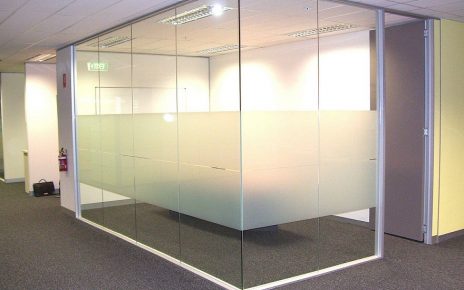
- Interior partitioning systemsThese applications utilise different styles such as curtain walls or storefront systems depending on the project needs.
How do I maintain my architectural glazed surfaces?
Maintenance typically involves:
- Regular cleaning with appropriate non-abrasive cleaners.
- Inspecting seals around frames periodically.
- Ensuring no physical obstructions block water drainage routes from building surfaces.Proper maintenance extends the lifespan and performance of your glazed installations.
Are there any safety regulations associated with architectural glazing?
Yes! There are various safety standards applicable depending on location—including building codes governing impact resistance for certain structures as well as guidelines ensuring proper installation techniques which enhance structural integrity against environmental factors like wind or seismic activity.
Conclusion
If you have further questions about your specific needs regarding architectural glazing projects or want insights into choosing suitable materials & solutions tailored specifically just reach out anytime!
Structural Glazing Systems
The need for more seamless and visually striking designs has led to innovations in structural glazing systems. These systems allow glass to be integrated into the structural framework of a building, reducing the need for additional framing elements. The result is an aesthetically pleasing, minimalistic design that emphasises transparency and light. Advances in bonding technologies and structural adhesives support the increased use of these systems, allowing for larger spans of glass and reducing the overall weight of glazing installations.
Dynamic Glass
Dynamic glass is another groundbreaking innovation within the architectural glazing field. This technology allows glass to change its transparency at the flick of a switch, presenting an opportunity to control light and temperature in real-time. Applications for dynamic glass range from large commercial buildings to residential homes, offering both functional and aesthetic benefits. Moreover, these products can significantly contribute to energy savings, aligning with ongoing efforts towards sustainable construction.
Architectural glazing plays a crucial role in modern building design, enhancing aesthetics and energy efficiency. Utilizing advanced materials, it allows for stunning light infiltration and insulation. For innovative solutions in this field, explore our offerings in architectural glazing to transform your spaces into architectural marvels.
Eco-Friendly Materials
As the push for sustainability intensifies, there is a significant trend towards eco-friendly materials in architectural glazing. Manufacturers are increasingly prioritising recycled materials in their products, including glass made from post-consumer waste. Additionally, coatings and bonding technologies that reduce environmental impact are becoming commonplace. Furthermore, more architectural glazing products are being designed to enhance the overall energy efficiency of buildings, thus supporting greener construction practices.
The Role of Architectural Glazing Companies
Architectural glazing companies play a crucial role in the integration of these benefits and innovations into building projects. They not only provide expertise in design and installation but also act as educators for developers, architects, and end-users. With their knowledge of the latest products and trends, these companies can recommend the most suitable architectural glazing solutions that align with the specific needs of a project.
In summary, architectural glazing is a multifaceted field that combines beauty, functionality, and sustainability. With new technologies emerging and an increasing emphasis on eco-friendly practices, the future of architectural glazing promises even more exciting developments that will continue to transform the buildings we inhabit. By understanding the benefits and innovations in architectural glazing, stakeholders can make informed decisions that reflect both contemporary design standards and the environment’s needs.