

In an increasingly digital and globalised world, the landscape of workforce management is evolving rapidly. As businesses strive for efficiency, adaptability, and employee satisfaction, the role of HR systems has become more critical than ever. This article explores the emerging trends and innovations that are reshaping HR practices, focusing particularly on online HR management solutions that leverage technology to address the evolving needs of modern organisations.
FAQ: HR Systems
What are HR systems?
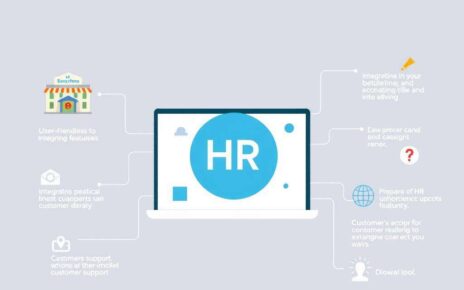
HR systems are software solutions designed to streamline and enhance human resource management processes. They help organisations manage employee data, recruitment, onboarding, performance appraisal, payroll, benefits administration, and compliance with labour laws.
Why do companies need HR systems?
Companies need HR systems to improve efficiency by automating routine tasks, ensuring accurate data management, facilitating better communication among employees and departments, and enabling strategic decision-making through analytics. These systems can also help in maintaining compliance with regulations and improving employee engagement.
What features should I look for in an HR system?
When evaluating an HR system, consider the following features:
- Employee database management
- Recruitment tools
- Onboarding processes
- Performance evaluation capabilities
- Payroll processing
- Benefits administration
- Compliance tracking
- Self-service portals for employees
- Reporting and analytics
These features can significantly enhance your organisation’s human resources operations.
How do I choose the right HR system for my business?
Choosing the right HR system involves assessing your organisation’s specific needs. Consider factors such as company size, budget constraints, necessary functionalities (like payroll or performance tracking), user-friendliness of the interface, integration capabilities with existing tools/applications and customer support options provided by vendors.
Is cloud-based or on-premises better for an HR system?
The choice between cloud-based vs. on-premises systems often depends on various factors like cost considerations and IT infrastructure. Cloud-based solutions offer flexibility (accessing from any device), scalability as your business grows without heavy infrastructure investment; whereas on-premises might suit organisations seeking full control over their data handling but may involve higher initial costs.
Can small businesses benefit from using an HR system?
Absolutely! Small businesses can greatly benefit from implementing an HR system. These platforms help simplify complex tasks such as managing records or payroll that would otherwise take a significant amount of time if done manually. Ultimately they contribute to improved efficiency allowing small teams to focus more time on strategic goals rather than administrative duties.
How secure is employee data in modern HR systems?
Modern HR systems typically employ advanced security measures such as data encryption during transmission & storage alongside access controls defined based upon user roles which protect sensitive information about employees effectively providing a robust level of security compliant with regulations like GDPR or HIPAA when applicable.
Can I integrate my existing software with a new HR system?
Many contemporary cloud-basedHR solutions offer integration capabilities which allow you connecting seamlessly various third-party applications used within organisation including accounting software,fundamental email tools or performance management apps making operations smoother across platforms thus enhancing productivity overall . Always confirm compatibility before selecting any new tool!
Implementing efficient HR systems is crucial for modern businesses aiming to streamline their Human Resources processes. These systems automate repetitive tasks, enhance employee engagement, and ensure compliance with regulations. By leveraging technology, organizations can improve recruitment, onboarding, and performance management. Additionally, HR systems provide valuable data analytics, allowing companies to make informed decisions that align with their strategic goals. Investing in such solutions can significantly enhance overall productivity and workplace satisfaction.
The Rise of AI and Automation in HR Systems
Artificial intelligence (AI) and automation are at the forefront of changing how HR professionals operate. Online HR management tools are increasingly incorporating AI-driven functionalities that enhance decision-making processes. These innovations enable HR teams to automate repetitive tasks, such as resume screening and scheduling interviews, allowing them to focus on strategic initiatives rather than mundane duties.
For instance, AI-powered chatbots are becoming common within HR systems. These chatbots can handle a plethora of inquiries from employees about policies, benefits, and other HR-related questions in real-time, significantly reducing the administrative burden on HR teams. Moreover, AI algorithms can analyse employee data to provide insights into performance trends, predicting potential turnover risks and identifying opportunities for intervention.
As businesses continue to navigate the complexities of the workforce, implementing AI and automation within HR systems not only streamlines operations but also enhances employee experience. This technology empowers employees to access information swiftly and engage more proactively with HR services, ultimately leading to improved satisfaction and retention.
The Shift Towards Employee-Centric HR Solutions
The transition from traditional, top-down management strategies to more employee-centric approaches is another notable trend. Modern HR systems are evolving to facilitate a more holistic view of employee wellbeing and engagement. Online HR management tools are now being designed with a focus on enhancing the employee experience, offering features such as self-service portals and continuous feedback mechanisms.
Self-service functionalities enable employees to manage their own profiles, access training resources, and submit requests for leave without the need to go through multiple layers of approvals. This autonomy fosters a sense of ownership and encourages employees to take an active role in their professional development. Furthermore, regular feedback mechanisms allow employees to share their insights and concerns, contributing to a more inclusive workplace culture.
Additionally, organisations are beginning to recognise the impact of employee engagement on overall performance and productivity. Data analytics integrated into HR systems can measure various engagement levels, enabling HR professionals to tailor initiatives that resonate with their workforce. Understanding the pulse of the organisation not only helps in retaining top talent but also drives a stronger alignment between employee goals and business objectives.
Emphasis on Diversity, Equity, and Inclusion (DEI)
As societal expectations shift, the importance of diversity, equity, and inclusion within the workplace is rising dramatically. HR systems are instrumental in helping organisations establish and monitor DEI initiatives. Online HR management platforms are equipping HR professionals with tools to track diversity metrics, ensuring that companies adhere to their commitment to fostering an inclusive environment.
One of the innovative ways HR systems are promoting DEI is through bias-free recruitment technology. These systems utilise algorithms designed to neutralise biases in job postings and candidate selection. By anonymising resumes or standardising evaluation criteria, organisations can improve their chances of attracting a diverse pool of candidates. This not only strengthens the talent pipeline but also enriches the company culture by incorporating a variety of perspectives.
Furthermore, online HR management systems facilitate the sharing of resources and training modules around DEI topics, creating opportunities for continuous learning within organisations. By embedding DEI practices into the fabric of HR systems, companies can actively contribute to a culture of belonging and respect, which is increasingly essential for attracting and retaining talent in today’s market.
Conclusion
As the future of HR systems unfolds, companies must remain attuned to these trends and innovations. The integration of AI, the shift towards employee-centric solutions, and the emphasis on diversity, equity, and inclusion are not merely passing fads; they are essential elements in building an effective, future-proof workforce. By leveraging online HR management tools, organisations can position themselves for success in the competitive landscape, ensuring they not only meet the demands of their workforce but also thrive in an ever-changing environment. Implementing these innovations will ultimately foster a more dynamic, engaged, and sustainable organisational culture, paving the way for success in the years to come.
Efficient HR systems are crucial for managing employee data, streamlining processes, and enhancing overall productivity. They help organizations optimize their workflows and improve communication. Discover innovative solutions to elevate your HR capabilities at https://cloudb2b.co.uk/.